OPFA LAB
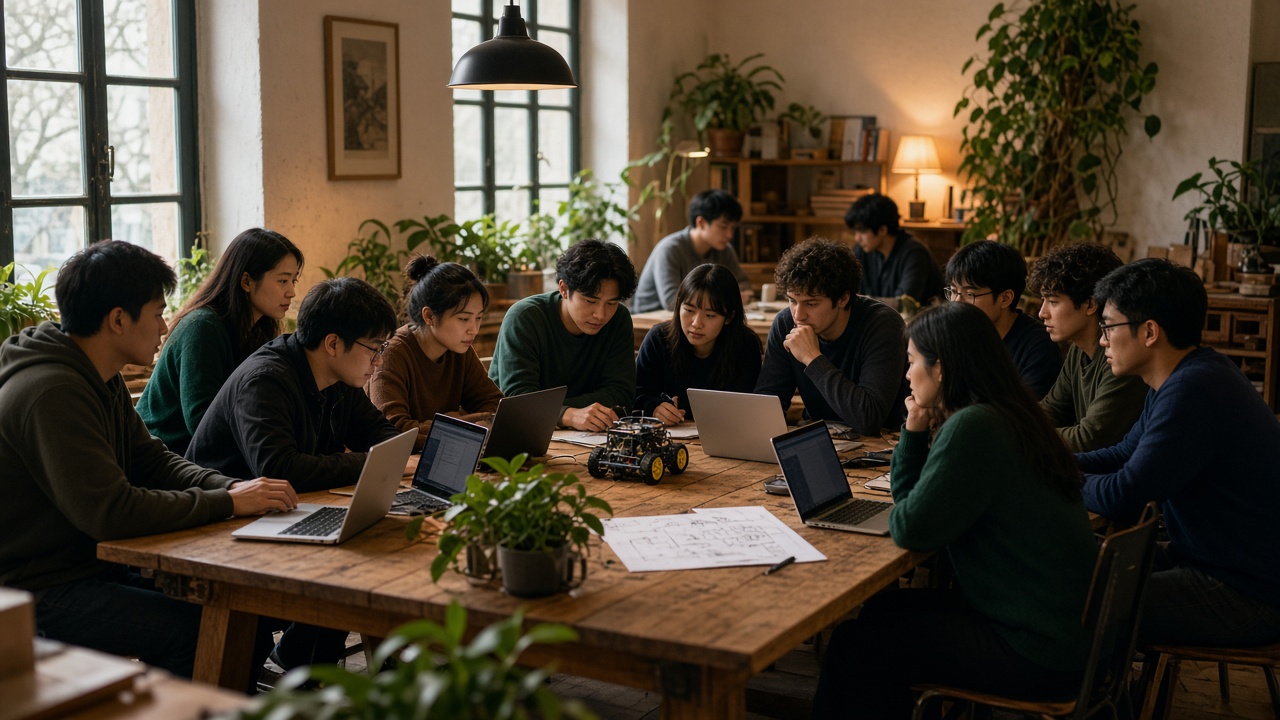
OPFA LAB is the parent format. Two to four nights a month. Ten to thirty people. Cheap rooms. Each night must leave something public.
Twenty people, fifteen of whom publish a project, beat an event of two hundred who only listen.
One machine, three limbs
AI Lab, Build Night, and Research Club are the standing limbs. The other formats rotate inside the same machine. They all feed one community.
- OPFA LAB → AI Lab → demo
- OPFA LAB → Build Night → project
- OPFA LAB → Research Club → paper
Which format should run first?
One vote per browser. You can move it. The tally is shared.
01 · 2–3 hours · About 15 people
OPFA Build Night
The format to try first
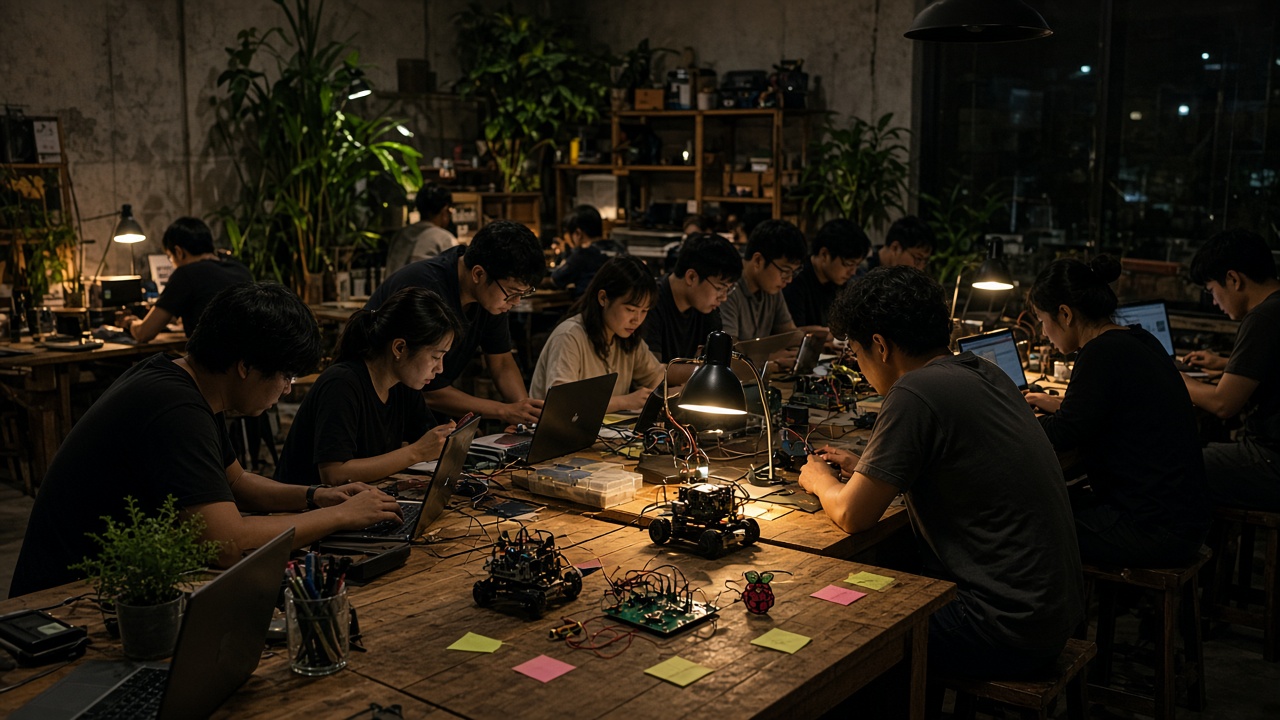
Everyone builds one small thing. A workshop is not a class. It is a machine that leaves projects behind.
15 people → 15 projects → 15 GitHub repos → 15 posts → 15 people who carry OPFA onward.
Examples
- Build an AI agent
- Build a mini SaaS
- Build a Raspberry Pi robot
- Build a mini P&ID digitizer
- Build an app with a new stack
Public artifact. A public repo and a post from each person.
0 votes
02 · About 90 minutes · 10–30 people
OPFA AI Lab
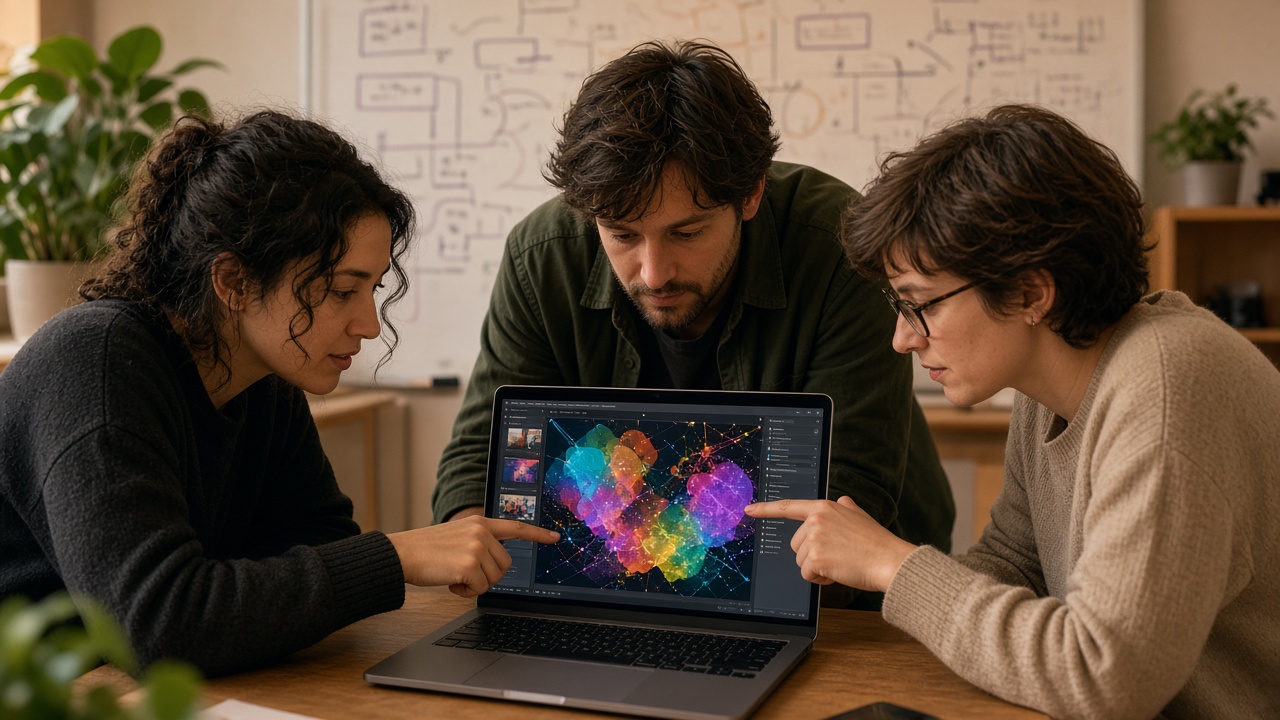
AI research becomes a prototype. OPFA is a place that makes technology, not a place that listens to talks.
Pick one narrow build. Leave with a demo that runs.
Examples
- Build RAG in 90 minutes
- Train a small vision model
- OCR to structured data
- An AI agent with tools
- A local LLM on a GPU
- Multimodal AI
- AI and robotics
Public artifact. A demo that runs before people leave.
0 votes
03 · One evening · 10–20 people
OPFA Open Source Night
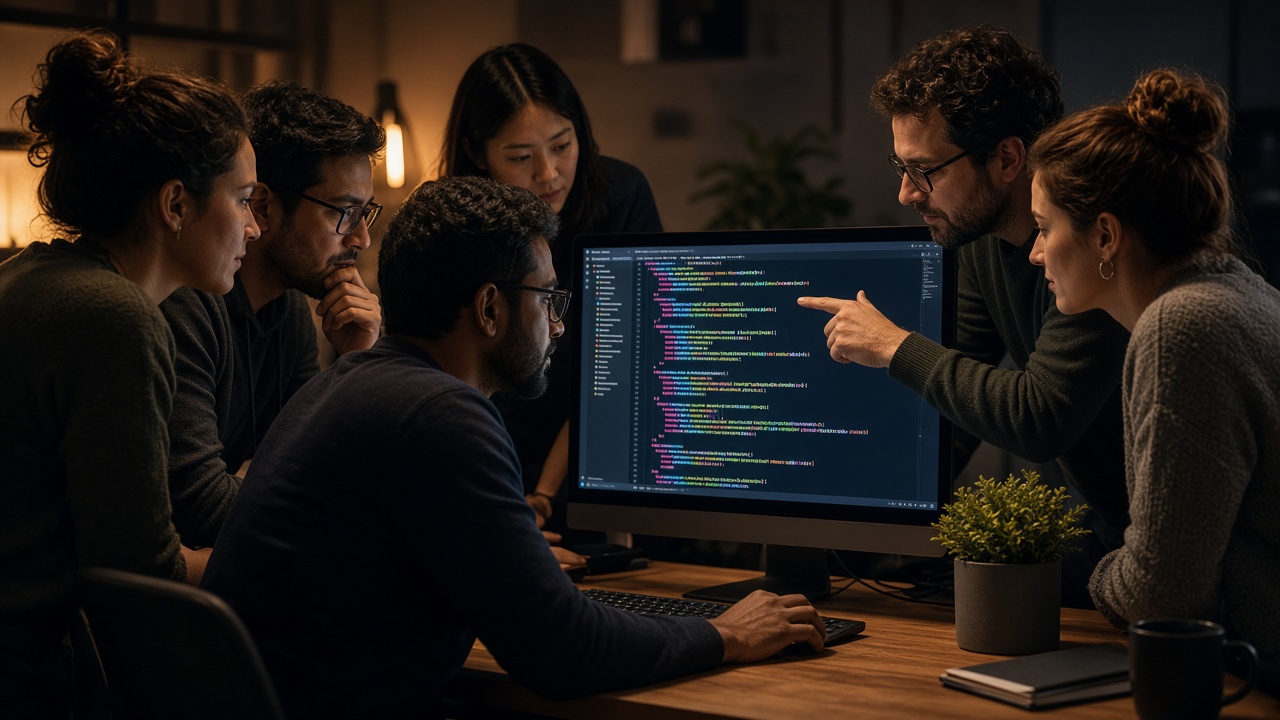
Open an OPFA repo to the room. The night has one line: tonight we ship pull request number one.
Clone, pick an issue, code, open a pull request, merge.
Examples
- Start with a small OPFA project
- First contribution is the point
Public artifact. Workshop → pull request → contributor → GitHub activity → community.
0 votes
04 · About 3 hours · 10–20 people
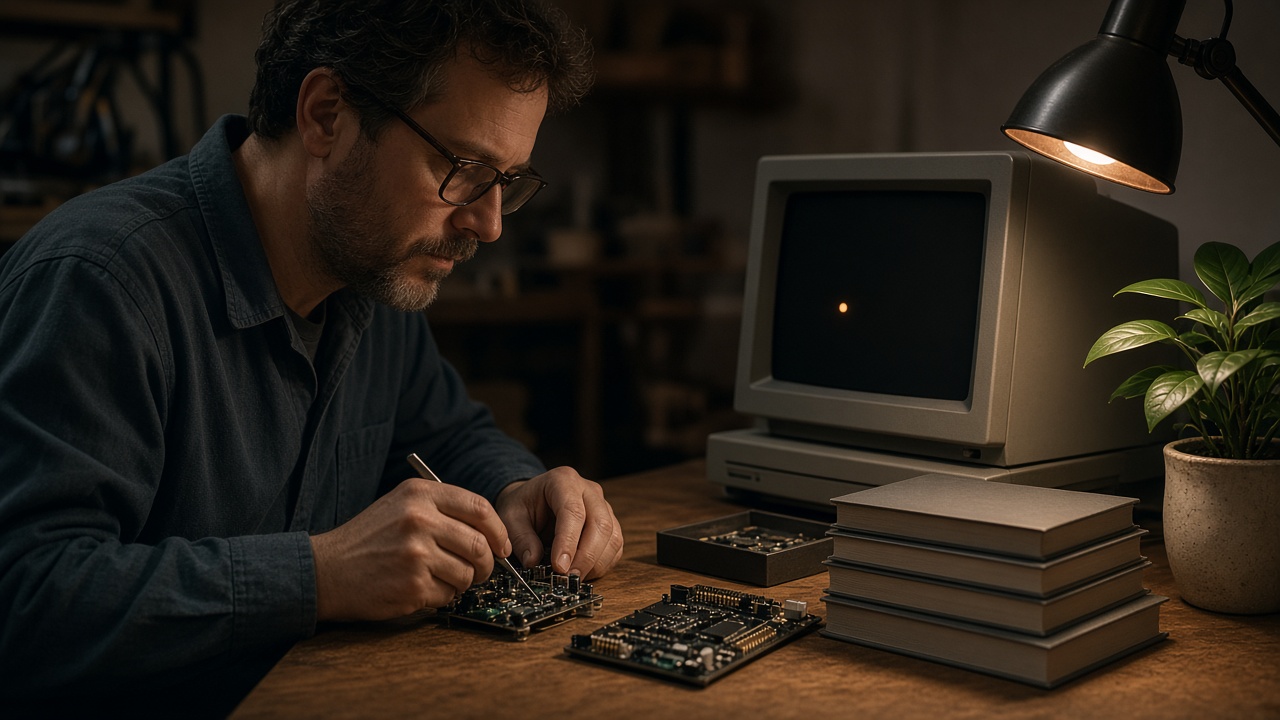
OPFA Tech Archaeology
Pick an old technology that still matters, then rebuild a tiny piece of it. The feeling is engineering culture.
Let’s rebuild it. Example: a tiny Unix shell in C, three hours.
Examples
- Unix
- TCP/IP
- Lisp
- Smalltalk
- Xerox PARC
- Plan 9
- Erlang
- FPGA
- Early AI
- ARPANET
Public artifact. A small reconstruction people can show.
0 votes
05 · 4 hours · 5–10 people
OPFA 0 → 1
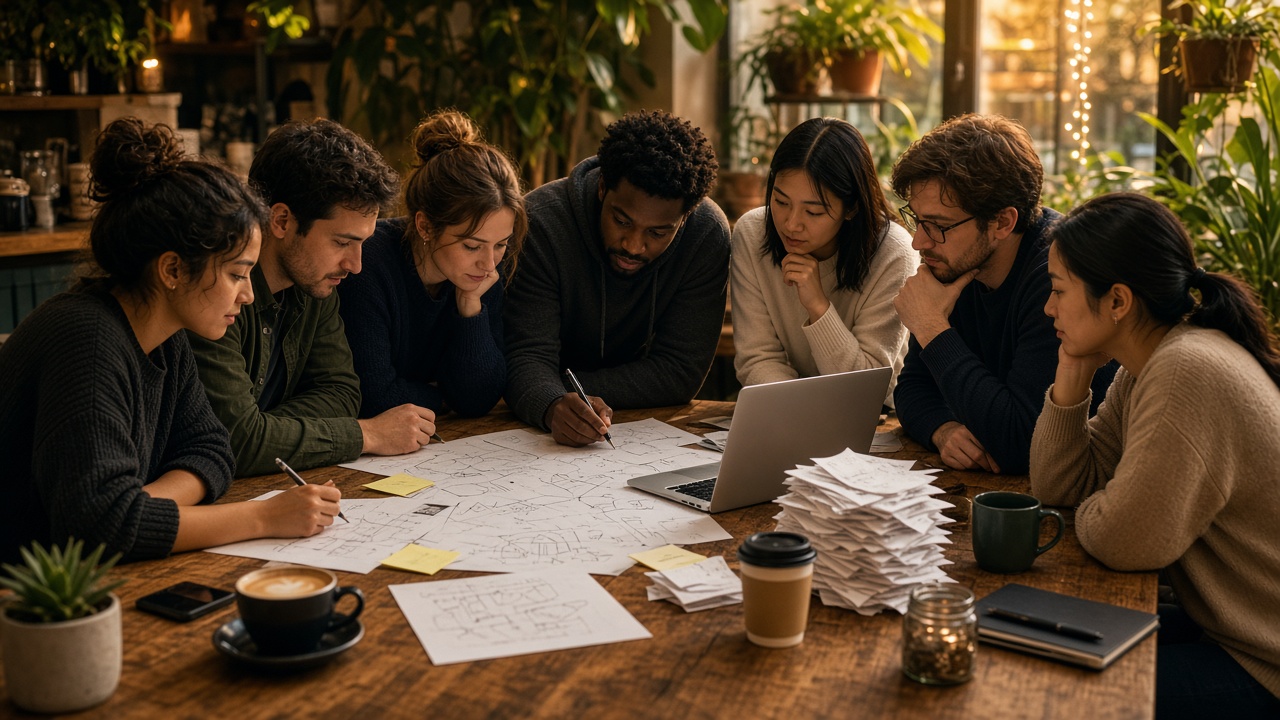
A group receives one problem and four hours to turn it into a prototype: research, design, code, deploy, demo.
A numbered series: OPFA 0→1 #001, #002, #003. The number is the brand.
Examples
- A small restaurant needs to track revenue
Public artifact. A deployed demo with a series number.
0 votes
06 · 90 minutes · 8–16 people
OPFA Research Club
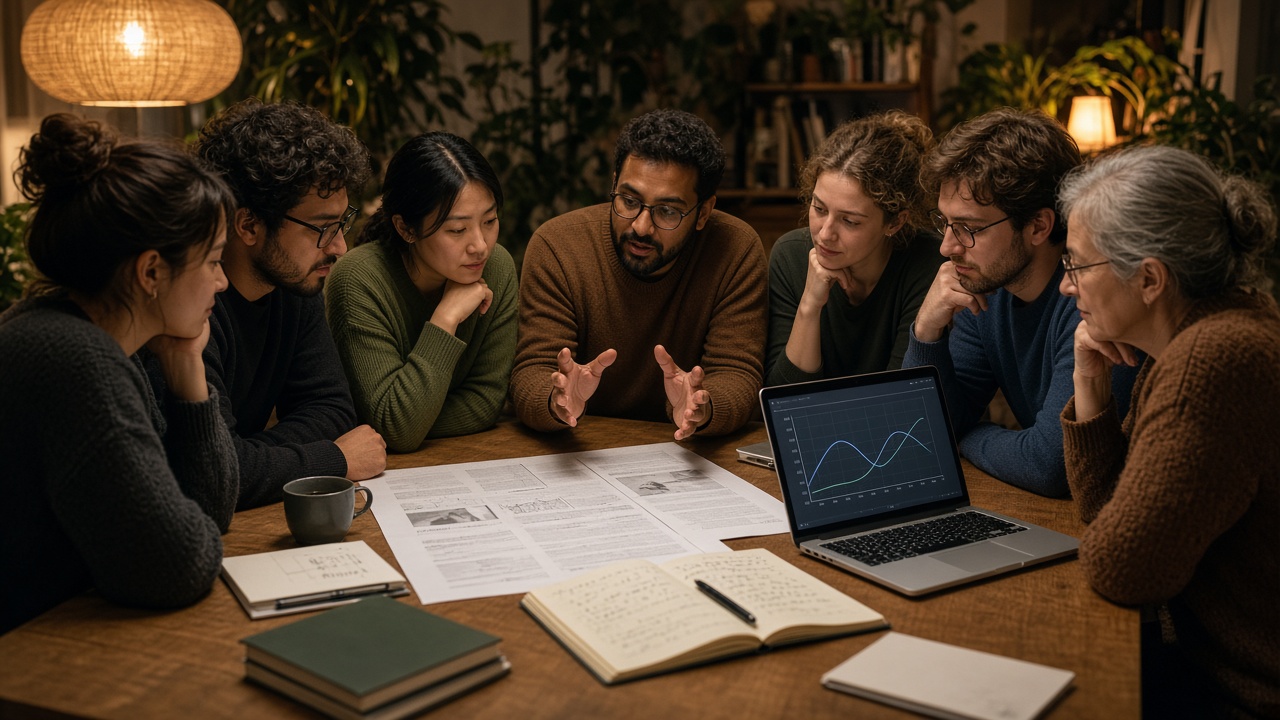
One paper a week. Not a long presentation. Ten minutes on the paper, twenty to break it down, thirty to reproduce, thirty to discuss.
Let’s reproduce this vision paper.
Examples
- A notebook
- A benchmark
- A GitHub repo
- A blog post
Public artifact. Technical content: notebook, benchmark, repo, and a write-up.
0 votes
07 · One evening · 10–20 people
OPFA Hardware Night
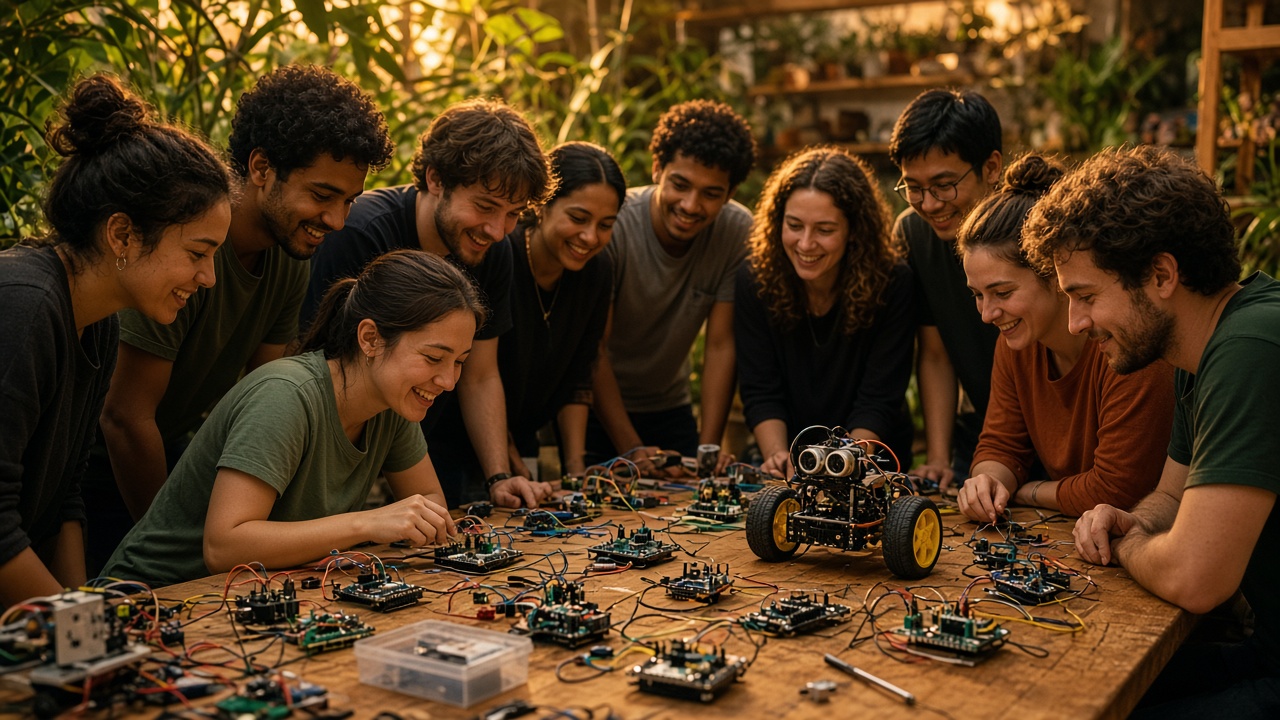
Each person gets a small kit: a board, a sensor, a motor. Hardware nights are more social than laptop-only rooms, and they are easy to film.
Build a robot that detects and avoids obstacles. Or build a small weather station.
Examples
- ESP32, sensor, and motor
- Obstacle-avoiding robot
- IoT weather station
Public artifact. A moving kit and a short video.
0 votes
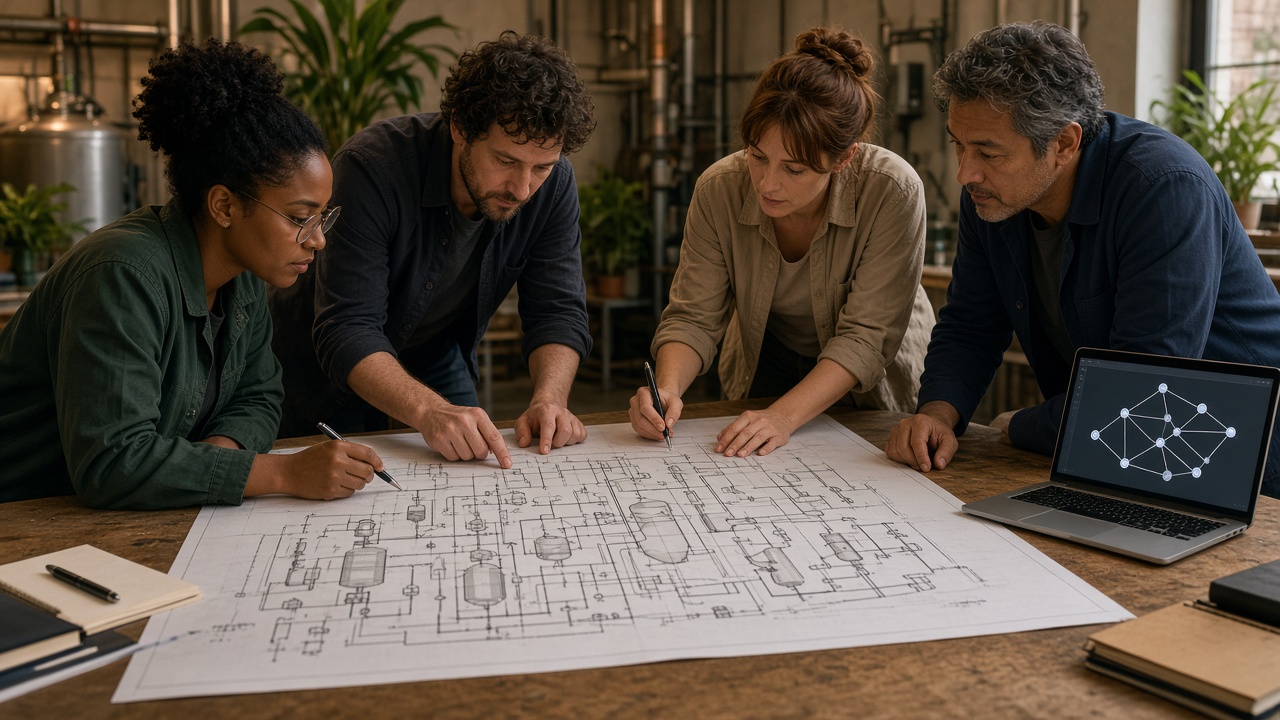
08 · One session · Small teams
OPFA P&ID Lab
Tied to the OPFA P&ID digitizer. The question is whether AI can understand a chemical plant. The night also shows who can do the work.
PDF → OCR and vision → symbols → entities → connection graph → digital P&ID.
Examples
- Each team digitizes one P&ID
Public artifact. One digitized P&ID per team.
0 votes
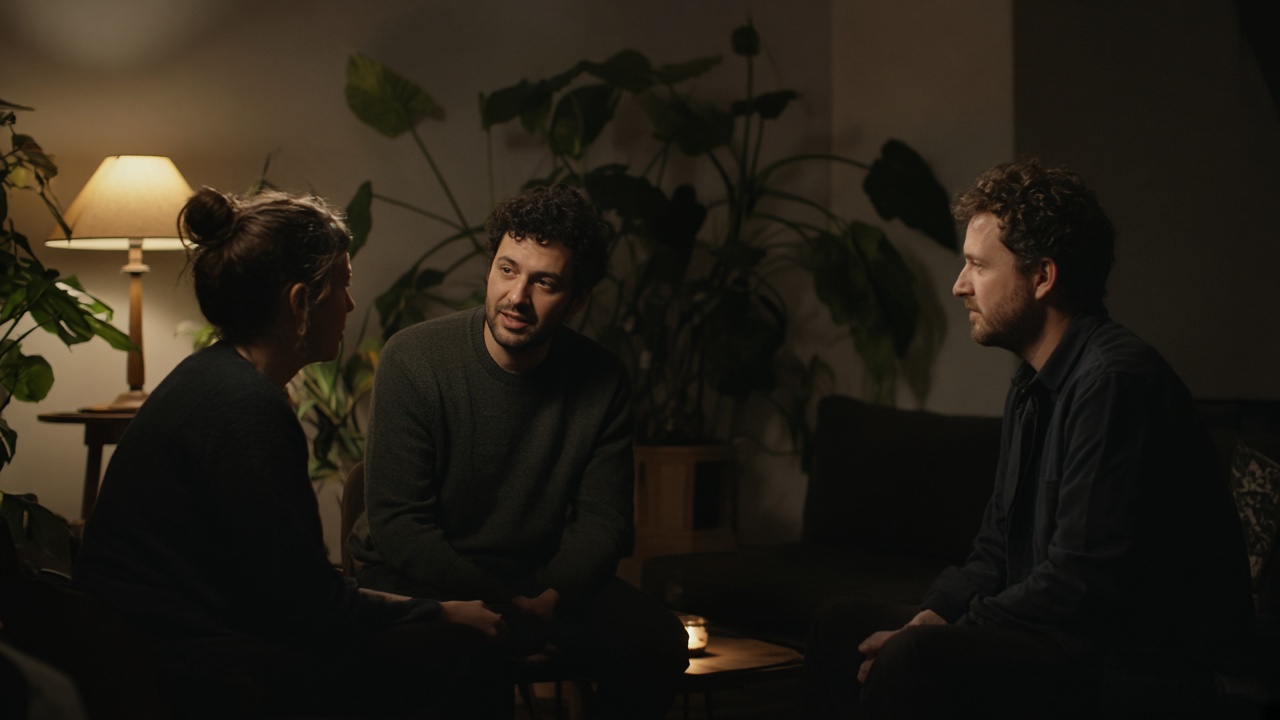
09 · About an hour · A small room
OPFA After Dark
Not a technical build. Three founders or engineers. Fifteen minutes each: one thing I got wrong. What happened, why it happened, what I learned. No pitch. No motivational speech.
What happened → why it happened → what I learned.
Examples
- Also called Failure Lab
- Different from a company workshop
Public artifact. A story people retell, and a room that feels unlike a company event.
0 votes
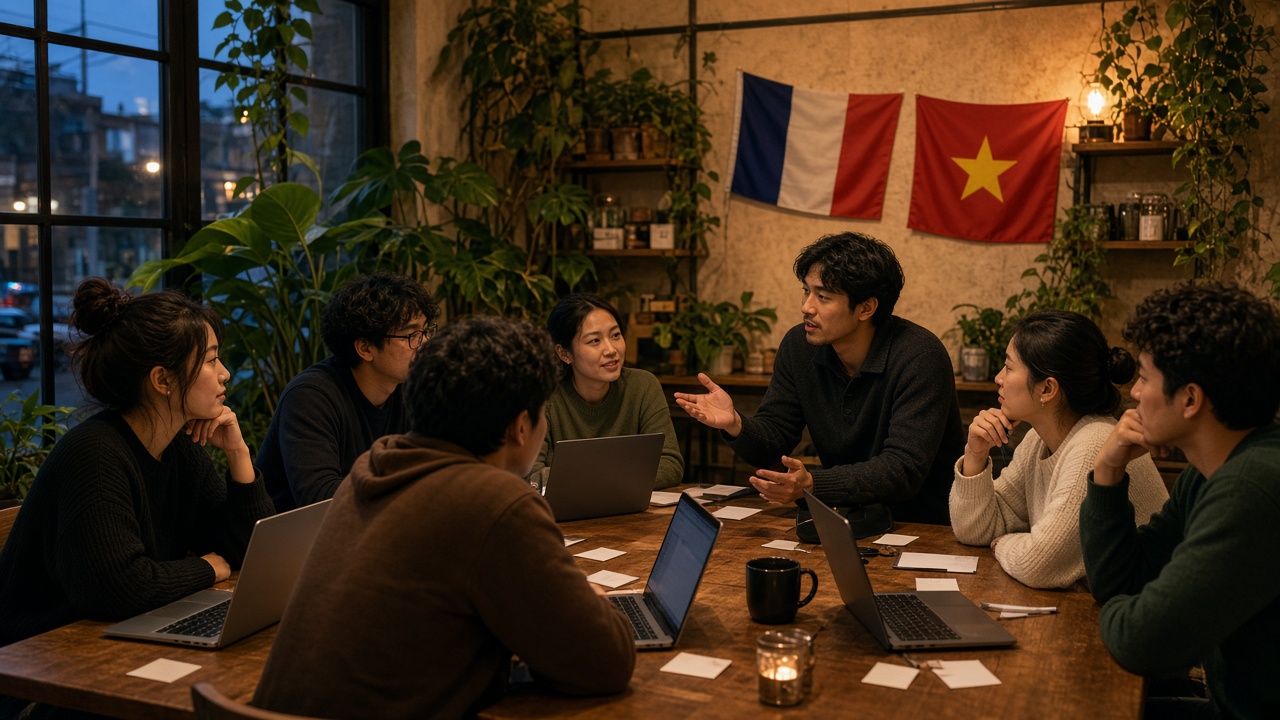
10 · One evening · 10–30 people
OPFA French × Tech
A niche that belongs to OPFA: French and technology, between Vietnam and France. Students, engineers, founders, researchers in one room.
French plus technology, in the same night.
Examples
- Twenty French words for AI engineers
- Build a tiny AI agent while speaking French
- French Tech Night
Public artifact. A room that only OPFA would host, and people who bring a friend next time.
0 votes
Every night leaves one public artifact
- GitHub repo
- Demo
- Notebook
- Article
- Video
- Dataset
- Open-source contribution
- Research reproduction
The growth loop
- 01Workshop
- 02Participant
- 03Build something
- 04Take a photo or video
- 05Post it
- 06A friend sees it
- 07A new participant
- 08The next workshop